


Background
The Jema Environmental Stewardship Day (JESD) originated from the Environmental Stewardship Durbar during which Jema Anti-Galamsey Advocacy (JAGA) was officially launched. The event was conceived as a community platform to take stock of Jema’s natural resources and promote environmental awareness and stewardship.
Since its inception, JESD has combined environmental education, cultural celebration, and community engagement. Students have participated through poetry recitals and artistic performances, highlighting the importance of protecting the environment. Traditional cultural groups have showcased dances and folklore that reflect the community’s deep connection to nature.
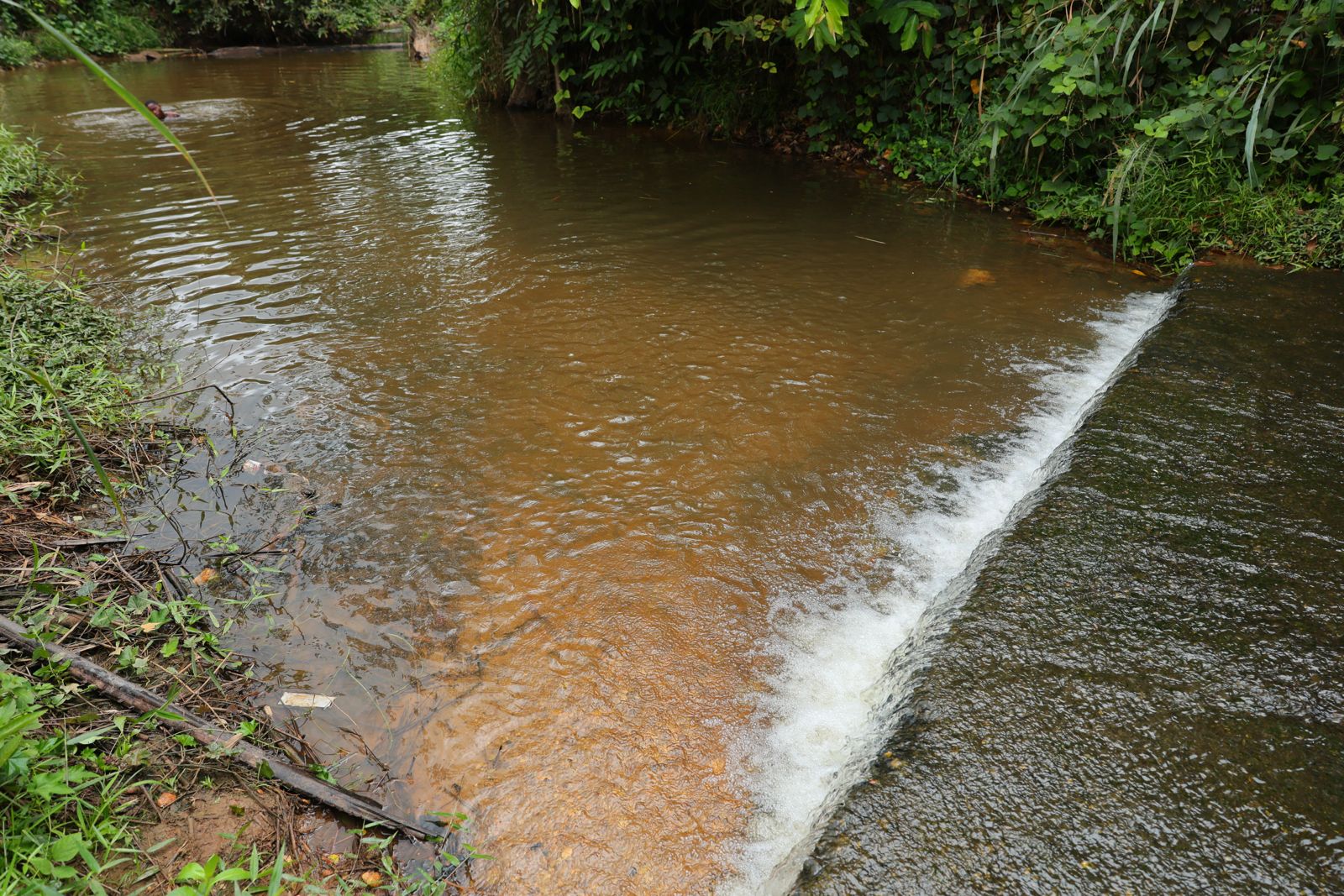
During the first anniversary celebration, fish and other aquatic species from Jema’s rivers and streams were exhibited to demonstrate the richness of the community’s natural heritage. Water samples from five major rivers were also tested by the CSIR Water Research Institute, with results confirming the absence of heavy metal contamination. These activities reinforced the importance of preserving Jema’s lands, forests, and water bodies for present and future generations.
JAGA now seeks to institutionalize JESD as an annual community celebration dedicated to environmental stewardship, cultural preservation, and sustainable development.
Purpose
To strengthen the bond between the community and its natural environment by promoting environmental awareness, cultural heritage, and responsible stewardship of natural resources.
Goal
To make environmental stewardship a living cultural value that guides individual and collective behaviour every day, ensuring that Jema’s natural resources are protected and sustainably managed for future generations.
Scope
The Jema Environmental Stewardship Day will bring together traditional authorities, religious leaders, educators, public officials, development partners, youth groups, and community members to celebrate and evaluate the state of Jema’s environment.
Key activities will include:
- Annual environmental audits and presentations on the condition of rivers, streams, forests, and farmlands;
- Public dissemination of environmental monitoring results, including water quality assessments;
- Educational exhibitions on biodiversity, conservation, and sustainable livelihoods;
- Poetry, essay, and quiz competitions for schools;
- Awards and recognition for environmental stewardship and community service;
- Cultural performances, traditional dances, folklore, and storytelling;
- Public lectures and discussions on environmental conservation and sustainable development;
- Community engagement and networking among stakeholders.
Through these activities, JESD seeks to cultivate environmental consciousness while preserving the cultural traditions that have historically guided responsible resource management.
Expected Outcomes
Educational Benefits
- Increased environmental literacy among community members, especially children and youth;
- Greater awareness of biodiversity conservation and sustainable resource management;
- Enhanced appreciation of the link between environmental health and community well-being.
Cultural Benefits
- Preservation and promotion of traditional knowledge related to environmental stewardship;
- Revival of folklore, proverbs, songs, dances, and oral traditions inspired by nature;
- Strengthening of cultural identity and intergenerational learning.
Social Benefits
- Greater community cohesion and participation in environmental protection;
- Stronger collaboration among traditional leaders, educational institutions, religious bodies, and public agencies;
- Opportunities for recreation, networking, and community celebration.
Economic Benefits
- Increased local commerce during the annual celebration;
- Growth in demand for hospitality, transportation, and related services;
- Enhanced visibility of Jema as a model of community-led environmental stewardship.
Partnership Opportunities
JAGA welcomes collaboration with government institutions, traditional authorities, educational institutions, environmental organisations, development partners, research institutions, and private-sector actors committed to environmental sustainability and community development.
Together, we can build a culture where environmental stewardship is not merely an annual event but a way of life.
Event Motto
Celebrating Nature, Preserving Heritage, Securing the Future.