


Background
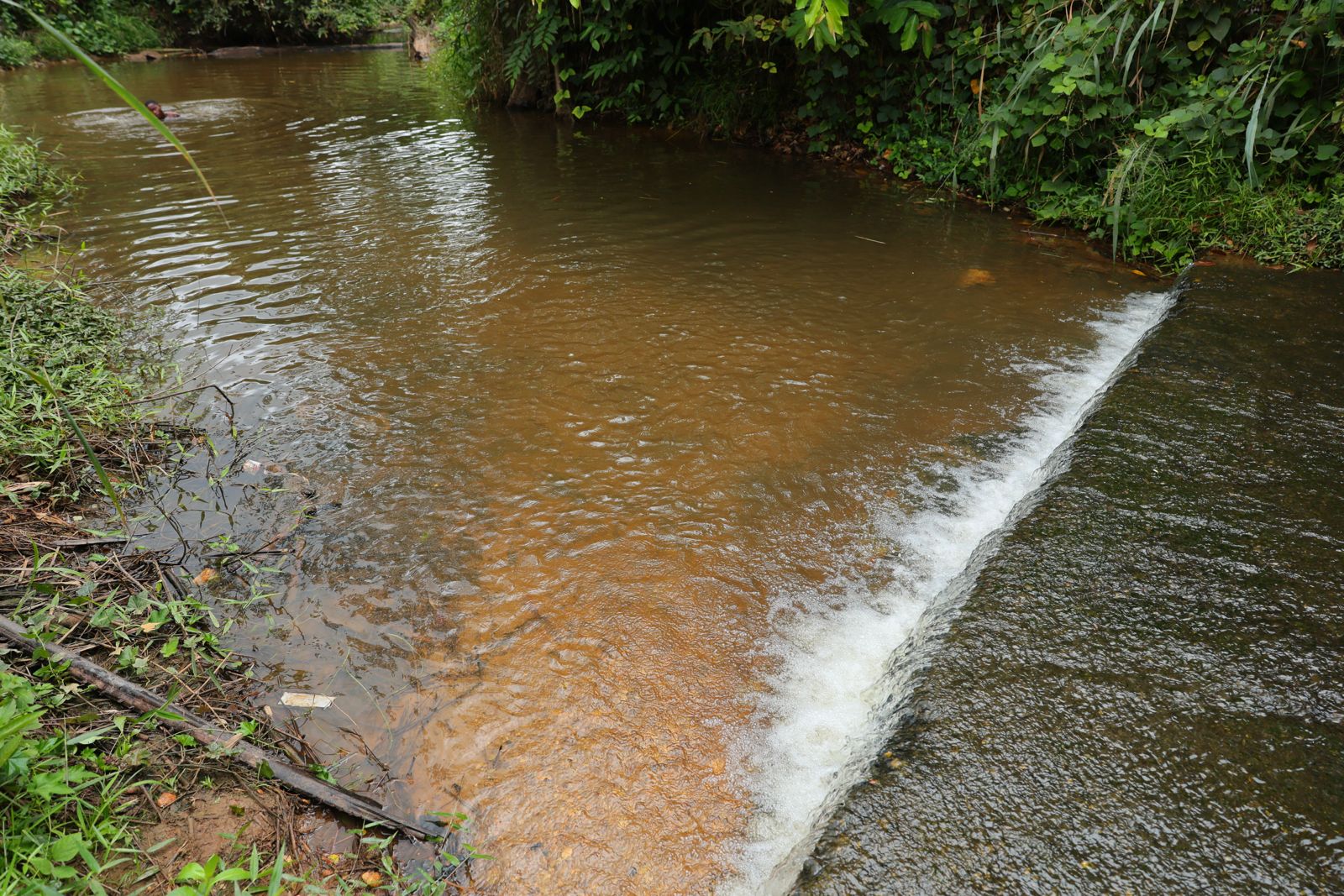
Jema is uniquely endowed with rich ecological resources. The community is surrounded by two state forest reserves recognized for their significant biodiversity value. In addition, Jema possesses a traditional community forest reserve of approximately two square kilometres, located on the western outskirts of the town.
This evergreen primary rainforest is a natural treasure, hosting a diverse range of hardwood trees, medicinal plants, wildlife, and other flora and fauna. As one of the few remaining intact forest ecosystems in the area, it presents a unique opportunity for conservation, environmental education, scientific research, recreation, and sustainable economic development.
However, increasing human activities such as hunting, indiscriminate harvesting of forest resources, and potential encroachment pose long-term threats to this valuable ecosystem. Proactive conservation measures are therefore necessary to protect and develop this ecological heritage for future generations.
Purpose
To conserve Jema’s unique forest ecosystem while creating sustainable economic opportunities through eco-tourism, environmental education, research, and community participation.
Goal
To establish Jema as a leading eco-tourism destination and biodiversity conservation centre that promotes environmental stewardship, generates employment, and contributes to local and national economic development.
Scope
The Jema Eco-Tourism (JET) Project seeks to transform the community forest reserve into a protected ecological and educational destination.
The project will include:
- Securing and protecting the forest reserve from encroachment and unsustainable exploitation;
- Establishing boundary demarcation and protective fencing where necessary;
- Creating nature trails and guided forest walks;
- Developing visitor and educational facilities;
- Promoting biodiversity conservation and habitat protection;
- Facilitating scientific and ecological research;
- Providing environmental education programmes for schools and youth groups;
- Training local residents as eco-tourism guides, conservation officers, and hospitality service providers.
The project will create immediate employment opportunities during the protection and development phases, while generating long-term jobs in tourism, conservation, transportation, hospitality, and local commerce.
Expected Outcomes
The JET Project is expected to deliver the following benefits:
Environmental Benefits
- Protection and preservation of biodiversity;
- Increased populations of indigenous flora and fauna;
- Conservation of important ecological habitats;
- Enhanced community awareness of environmental stewardship.
Educational Benefits
- Establishment of an outdoor learning centre for schools and universities;
- Opportunities for ecological research and scientific studies;
- Increased environmental literacy among young people.
Economic Benefits
- Direct employment for local youth;
- Growth of eco-tourism-related businesses;
- Increased demand for transportation, accommodation, food services, and local products;
- Additional revenue streams for the community, the Aowin Municipality, and the tourism sector.
Social Benefits
- Strengthened community ownership of natural resources;
- Increased pride in Jema’s environmental heritage;
- Sustainable alternatives to environmentally destructive livelihoods.
Partnership Opportunities
The success of the JET Project will require collaboration among public institutions, development partners, conservation organisations, and private investors.
JAGA welcomes partnerships and support from:
- The Government of Ghana;
- The Ministry of Tourism, Culture and Creative Arts;
- The Forestry Commission of Ghana;
- The Ministry of Environment, Science and Technology;
- Metropolitan, Municipal and District Assemblies;
- Conservation and Environmental NGOs;
- Universities and Research Institutions;
- International Development Agencies;
- Foreign Missions in Ghana;
- United Nations Agencies;
- Corporate and Philanthropic Organisations.
Through strategic partnerships, JET aims to become a model of community-led conservation that demonstrates how environmental protection can generate sustainable livelihoods and shared prosperity.